Shipped from Lima, Peru, with tracking. Delivering to the US, UK, Canada, Australia and New Zealand.

Your cart (0)
Your cart is empty.
Browse categoriesShipped from Lima, Peru, with tracking. Delivering to the US, UK, Canada, Australia and New Zealand.
Your cart is empty.
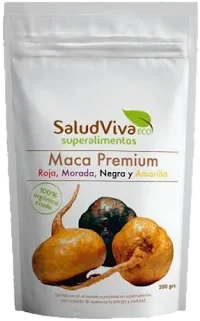
Browse categoriesThree colors of the same root, Lepidium meyenii, grown above 3,800 meters on the plateaus of Junín and Pasco.
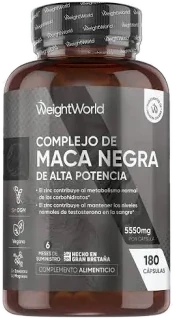
The rarest color, with the strongest and earthiest taste of the three. Sold as black maca powder.
Grown in smaller amounts than yellow maca, with a slightly sweeter taste.
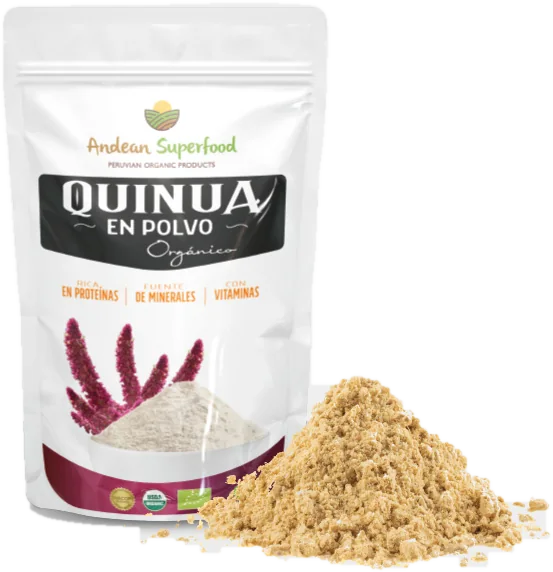
Naturally gluten-free flours for baking and cooking: quinoa and kiwicha from the Andes, carob from the coast.
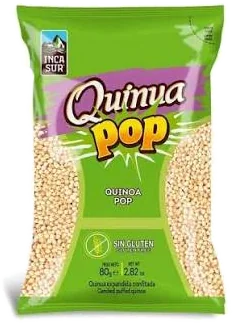
Quinoa flour milled from Altiplano quinoa. Nutty and slightly grassy, for pancakes, flatbreads and cookies.
Kiwicha is the Peruvian name for amaranth. Its flour tastes toasty, almost like popcorn.
Naturally sweet, caffeine-free and close to cocoa in taste. Each pack states which carob tree it comes from.
Lúcuma from the Andean valleys, cacao from the Amazon foothills and arabica coffee from the cloud forest.
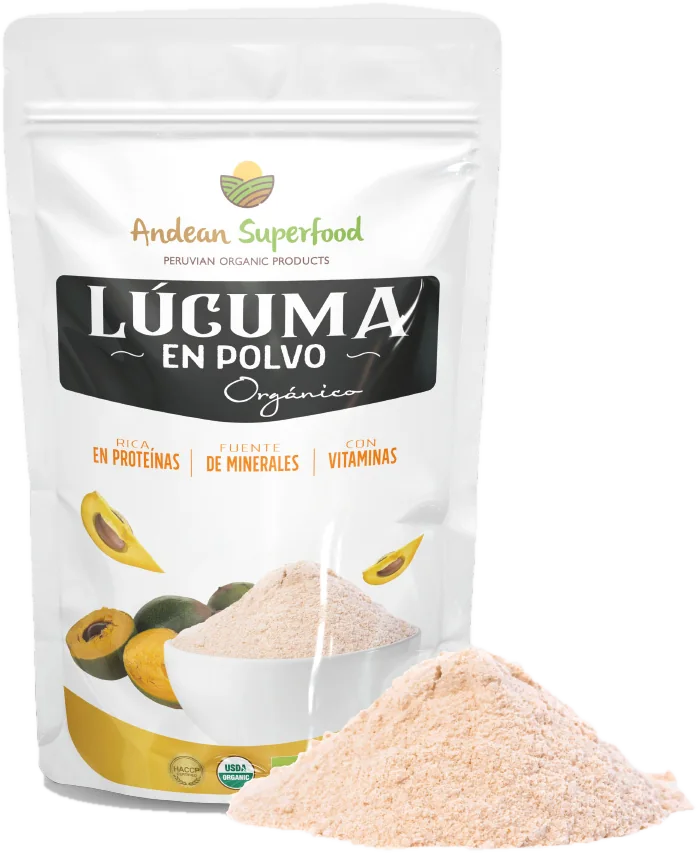
Lúcuma powder tastes of maple and caramel: a favorite ice cream flavor in Peru.
Cacao powder from the edge of the rainforest. Bitter, fruity and deep, for hot chocolate and baking.
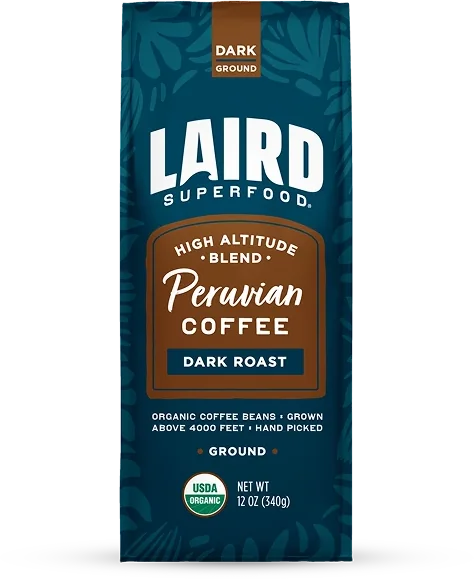
Shade-grown arabica from Chanchamayo, Villa Rica and Cajamarca. A clean cup with cocoa and nut notes.