Shipped from Lima, Peru, with tracking. Delivering to the US, UK, Canada, Australia and New Zealand.

Natural Peruvian products, from the Amazon to the Pacific

Maca, lúcuma, quinoa, cacao and coffee, bought in Peru from Peruvian producers and shipped to your door from Lima.

  • Shipped from Lima

    Tracked to the US, UK, Canada and Australia

  • Certified organic options

    USDA and EU Organic, as printed on the pack

  • Sealed and in date

    Every seal and best-before date checked

  • Secure checkout

    Card by Izipay, or money transfer

Best sellers

Every pack is sealed, in date and shipped from Lima.

See all products

Featured collections

Coffee from the cloud forest

Shade-grown arabica from 1,000 to 2,000 meters on the eastern slopes of the Andes. Ground and ready to brew.

Shop coffee
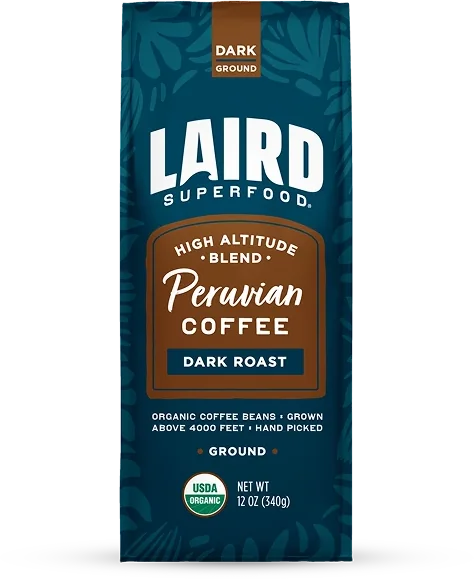
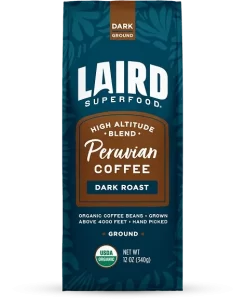
Bag of organic Peruvian dark roast ground coffee

Andean flours for gluten-free baking

Quinoa and kiwicha flours add a nutty, toasty taste to pancakes, flatbreads and cookies.

Shop flours
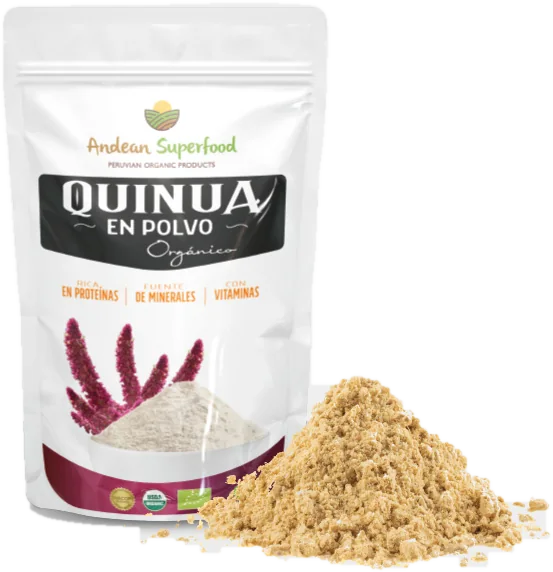
Pack of organic quinoa flour next to a pile of the flour

We buy in Peru, read the label, and ship it to you

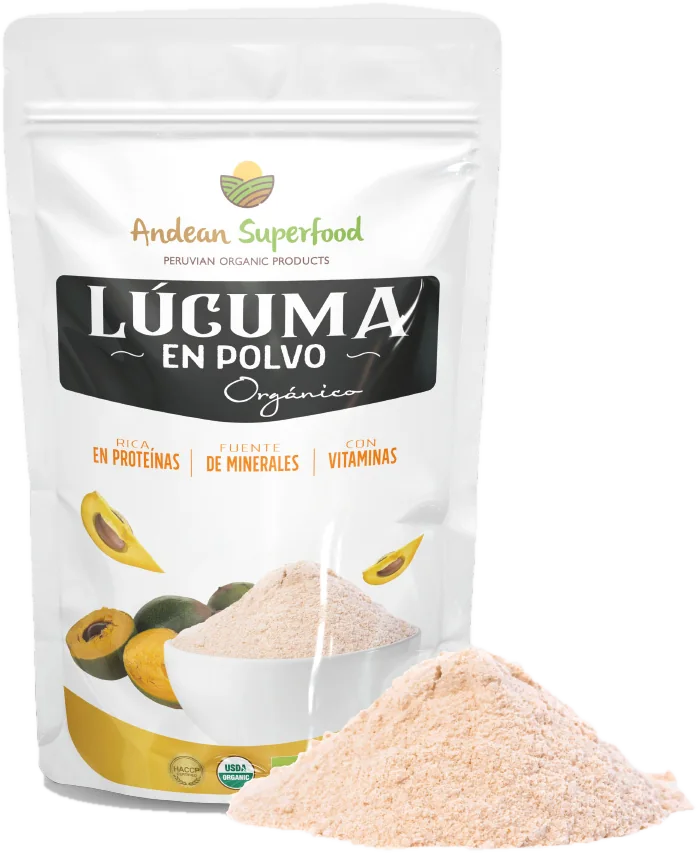
Much of the maca and lúcuma sold abroad is bulk powder packed far from Peru, with the origin reduced to a single word. We stock the packs that sit on Peruvian shelves, from Peruvian brands such as Ecoandino, Inkanat and Andean Superfood, and send them from Lima.

Every product page lists what the pack itself declares: producer, region, certification and best-before date. When a pack doesn’t name a region, the page says so. We don’t fill the gap with a nice story.

Read more about us

Maca in three colors

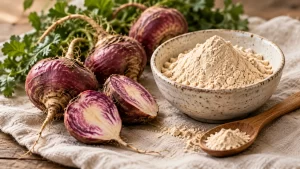
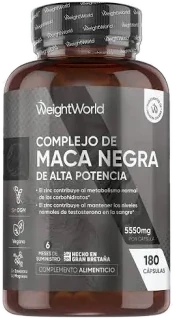
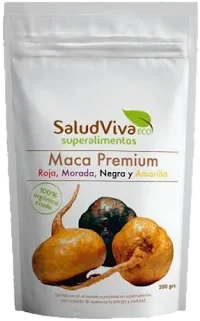
Yellow, black and red maca are the same plant, Lepidium meyenii, grown above 3,800 meters in Junín and Pasco. Yellow is the mildest. Black has the strongest, earthiest taste.

Where each one grows

Peru goes from Amazon rainforest to 6,000-meter peaks to Pacific desert in a few hundred kilometers. Each of our products comes from its own altitude, from carob on the coast to maca at 4,100 meters.

Illustration of black, red and yellow maca roots

Maca

Lepidium meyenii. Grown at 3,800 to 4,500 m on the plateaus of Junín and Pasco.

One of the few crops that grows above 4,000 meters. The dried root tastes malty, a little like butterscotch, and goes into smoothies, porridge and coffee.

Shop maca
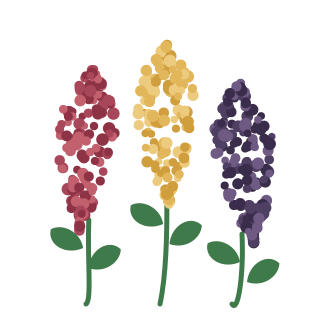
Illustration of red, golden and black quinoa plants

Quinoa

Chenopodium quinoa. Grown at 3,500 to 3,900 m on the Altiplano around Lake Titicaca.

The Altiplano’s everyday grain. Milled into a nutty flour for gluten-free baking, pancakes and flatbreads.

Shop quinoa
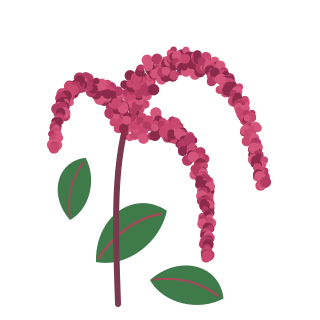
Illustration of a kiwicha plant with drooping magenta plumes

Kiwicha (amaranth)

Amaranthus caudatus. Grown at 2,000 to 3,500 m in the valleys of Cusco, Ayacucho and Apurímac.

Kiwicha is the Peruvian name for amaranth. The tiny seeds taste toasty, almost like popcorn, and are milled into a fine flour.

Shop kiwicha (amaranth)
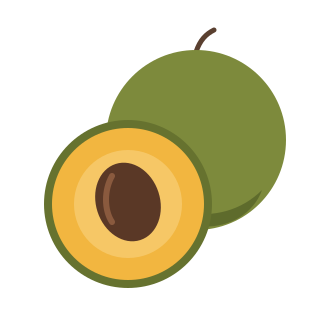
Illustration of a lúcuma fruit, whole and cut in half

Lúcuma

Pouteria lucuma. Grown at 1,500 to 3,000 m in the inter-Andean valleys.

The flavor of Peru’s favorite ice cream. The dried fruit tastes of maple and caramel and sweetens smoothies, yogurt and desserts.

Shop lúcuma

Illustration of a coffee branch with ripe red cherries

Peruvian coffee

Coffea arabica. Grown at 1,000 to 2,000 m in Chanchamayo, Villa Rica and Cajamarca.

Shade-grown arabica from the eastern slopes of the Andes. A clean cup with cocoa and nut notes.

Shop coffee
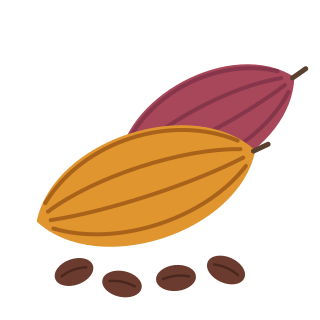
Illustration of cacao pods and beans

Peruvian cacao

Theobroma cacao. Grown at 200 to 1,000 m in the Amazon foothills of San Martín, Cusco and Junín.

Cacao from the edge of the rainforest, ground into powder. Bitter, fruity and deep, for hot chocolate, smoothies and baking.

Shop cacao
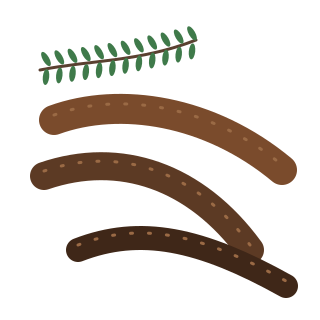
Illustration of carob pods and leaves

Carob flour (algarrobo)

Prosopis pallida. Grows from sea level to 300 m in the dry forests of Piura and Lambayeque.

Naturally sweet, caffeine-free and close to cocoa in taste. Carob flour is sold from more than one species of tree, so each pack, and each product page, states which one it is.

Shop carob flour

How much to use, and where

Most of these are new to kitchens outside Peru. Here’s where to start with each one.

1 to 2 tablespoons (8 to 15 g) per serving
Tastes like
Maple, caramel and a little sweet potato.
Try it in
Smoothies, yogurt, ice cream or pancake batter.
Good to know
It thickens liquids, so add an extra splash of milk.
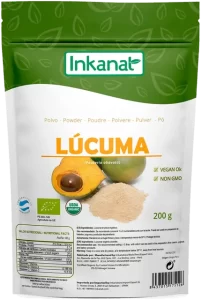
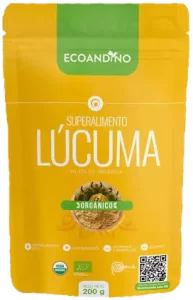
Shop lúcuma powder
1 to 2 teaspoons (3 to 6 g) a day
Tastes like
Malty and nutty, with a butterscotch finish.
Try it in
A banana smoothie, overnight oats or a latte.
Good to know
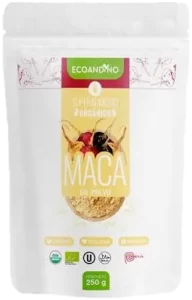
Start with one teaspoon. Gelatinized maca has been cooked before drying, which makes it gentler to eat raw.
Shop maca powder
1 to 2 tablespoons (5 to 10 g) per cup
Tastes like
Bitter, fruity, deep chocolate.
Try it in
Hot chocolate, brownies or a smoothie bowl.
Good to know
Whisk it into a little warm milk first and it won’t go lumpy.
Shop cacao powder
Up to a quarter of the wheat flour in a recipe
Tastes like
Nutty and slightly grassy.
Try it in
Pancakes, flatbreads or cookies.
Good to know
Toast it in a dry pan for five minutes to soften the grassy note.
Shop quinoa flour
Swap it one for one with cocoa powder
Tastes like
Naturally sweet, like cocoa with a hint of dates.
Try it in
Cakes, energy balls or warm milk.
Good to know
It’s sweeter than cocoa, so cut the sugar in the recipe by about a quarter.
Shop carob flour

From Lima to your kitchen

  1. Bought in Peru

    Sealed retail packs from Peruvian brands and producers, the same ones sold in Lima.

  2. Checked in Lima

    We check each seal and best-before date, and photograph the label for its product page.

  3. Packed for the trip

    Padded and sealed, with a customs declaration that lists every product in the box.

  4. Tracked to your door

    Sent with Serpost. Your tracking number arrives by email as soon as the parcel leaves Lima.

Lima to New York: 5,870 km in a straight line, about 84% of the length of the Andes.

From the blog

Read the blog

Before you order

Something else on your mind? Write to us or read our shipping policy.

Which countries do you ship to?

We ship from Lima to the United States, the United Kingdom, Canada, Australia and New Zealand. Shipping costs and delivery estimates are shown at checkout, before you pay.

How long does delivery take?

We send every order with Serpost, Peru’s national postal service. Standard registered airmail takes about 10 to 30 days after the parcel leaves Lima, and express (EMS) about 7 to 10 days, depending on your country. You’ll see both options and their prices at checkout, before you pay.

How do I track my order?

We email your Serpost tracking number as soon as the parcel leaves Lima. You can follow it on our order tracking page, and once it arrives in your country, on your local postal service’s website.

Will I pay import duties?

In the US, no: import duties are paid when we ship and added at checkout, so there’s nothing to pay on delivery. In the UK, Canada, Australia and New Zealand, your country may charge duties or taxes on delivery, depending on the order value. Every order travels with a customs declaration that lists its contents and value.

Can I pay without a card?

Yes. Choose “Money transfer” at checkout and send the total in US dollars with Western Union or Remitly. You’ll see who to send it to after you order, and we ship once the money arrives.

Are your products organic?

Many are certified organic: USDA Organic, EU Organic or both. We only call a product organic when the certification is printed on its pack, and the product page shows which one.

Are your products gluten free?

Quinoa, kiwicha, lúcuma, maca and carob are naturally gluten free. Whether a pack is certified gluten free depends on the producer, so check the label details on each product page.

What’s the difference between yellow, black and red maca?

They’re the same plant, Lepidium meyenii, with roots of different colors. Yellow is the most common and the mildest. Black and red are grown in smaller amounts and sold separately; black has the strongest, earthiest taste.

How do I use maca powder?

Start with one teaspoon (about 3 g) stirred into a smoothie, porridge or coffee. The pack shows the producer’s recommended serving. Gelatinized maca has been cooked before drying, which makes it the easier choice if you eat it raw.

How long do the powders keep?

Sealed, most keep for a year or more. The best-before date is on each pack and on its product page. Once open, close the pouch tightly and store it somewhere cool, dry and dark.

What if my order arrives damaged?

Write to us with your order number and a photo of the parcel and the product. Because these are food products, opened packs can’t be returned, but a damaged or wrong item will be replaced or refunded. Our returns policy has the details.