

In short
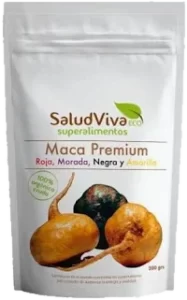
Low-temperature dried red maca powder is made from selected red maca roots dehydrated at low heat rather than dried fast, a slower process that keeps the flavor bright and sweet instead of roasted. The declared ingredient list is one line: 100% red maca powder.
What is low-temperature dried maca?
Maca has to be dried before it can be milled. The traditional Andean method is weeks of open-air sun-drying on the plateau. Industrial drying speeds this up with heat, and heat can flatten the root’s flavor or leave a scorched note.
Low-temperature dehydration sits between the two: controlled and faster than sun-drying, but kept cool enough to protect the root’s more delicate aromas. For red maca, whose appeal is its sweet, malty taste, that matters.
What makes this red maca different
The drying method is declared
Almost no maca on the market tells you how it was dried. This one does, and drying is the processing step that most affects how the finished powder tastes.
Selected roots
Sorted before processing rather than milled as a mixed grade.
A one-line ingredient list
100% red maca powder. No blending with yellow, no bulking agents, no sweeteners.
Taste profile
Sweet and malty with clean caramel notes and very little bitterness. Low-temperature drying keeps the flavor brighter and less roasted than heat-dried maca, which makes it excellent in cold recipes where a scorched note would show.
How to use it
Daily serving
5 g (1 tablespoon) a day, added to smoothies, juices or everyday recipes. New to maca? Use 3 g for the first week. 200 g gives about 40 servings.
Ways to use it
| Use | How |
|---|---|
| Smoothies | 5 g with banana and berries |
| Juices | Shaken into fresh juice |
| Everyday recipes | Porridge, yogurt, overnight oats |
| Warm milk | Whisked in, morning |
| No-bake snack balls | With dates and cacao |
| Cold desserts | Chia pudding, banana “nice cream” |
Where it comes from
Peruvian red maca, from selected roots grown in the Andes. The producer states the roots are dehydrated at low temperature, then milled to a pure powder with nothing added.
Who it’s for
A good fit if you care about processing detail, use maca in cold recipes where flavor shows, or want a declared single-ingredient product.
Look elsewhere if you specifically want the deep, caramelized flavor of traditional sun-dried maca. If you’re pregnant, breastfeeding or have a thyroid condition, talk to your doctor before taking maca.
Nutrition
Reference values for red maca powder, per 100 g. The label on the pack may differ slightly.
| Energy | About 325 kcal |
|---|---|
| Protein | 14 g |
| Carbohydrate | 71 g |
| of which fiber | 7 g |
| Fat | 1.2 g |
| Calcium | 250 mg |
| Iron | 15 mg |
| Potassium | 2,000 mg |
Specifications
| Botanical name | Lepidium meyenii |
|---|---|
| Variety | Red maca |
| Ingredients | 100% red maca powder |
| Drying | Low-temperature dehydration |
| Root selection | Selected roots |
| Net weight | 200 g / 7 oz |
| Servings | About 40 × 5 g |
| Origin | Peru |
Maca drying methods compared
| Low-temperature dried | Traditional sun-dried | High-heat dried | |
|---|---|---|---|
| Heat used | Low, controlled | None, sun and air | High |
| Time | Days | Weeks | Hours |
| Flavor | Bright, sweet | Deep, caramelized | Flat, sometimes scorched |
| Consistency batch to batch | High | Variable | High |
| Cost | Moderate | Highest | Lowest |
Storage
Keep it sealed, cool and dry, away from sunlight and heat. Low-temperature dried powders are more aromatic and lose that aroma faster if left open.
Questions
Why does the drying temperature of maca matter?
Heat drives off the root’s volatile aroma compounds and can add a roasted or scorched note. Drying the root cool keeps more of its aroma, so the powder tastes brighter and sweeter.
Is low-temperature dried the same as raw?
Not exactly. “Raw” usually means never heated above about 42 °C (108 °F). Low-temperature dehydration is cooler than industrial drying but isn’t necessarily raw-certified. Treat it as a gentler process, not a raw-food claim.
What does “selected roots” mean?
Roots sorted for size, color and condition before processing, rather than milling everything from the field together. It gives a more consistent finished powder.
Does low-temperature drying change the taste?
Yes. It keeps red maca’s caramel and malt notes clean and bright, with very little bitterness. Traditionally sun-dried maca tastes deeper and more caramelized, and high-heat dried maca can taste flat or scorched.
How much red maca powder per smoothie?
One 5 g tablespoon, a full daily serving.
Can I use it in raw recipes?
Yes, and it suits them well. No-bake snack balls, chia puddings and blended cold desserts all keep the powder’s brighter flavor intact.
Is it gelatinized?
The product name and ingredient declaration only mention low-temperature drying, so don’t count on it being gelatinized. The two are separate steps: gelatinization cooks the starch, drying removes the water. If you want a powder that mixes more smoothly in cold drinks, choose one labeled gelatinized.